


In today’s competitive real estate market, standing out is crucial. House branding isn’t just about a catchy name or a stylish logo; it’s about creating a memorable identity that resonates with potential buyers. A well-executed brand can evoke emotions and tell a story, making a property more appealing and relatable.
From unique design elements to cohesive marketing strategies, effective house branding ideas can elevate a property’s presence. Whether it’s a modern urban apartment or a charming countryside cottage, the right branding can highlight its unique features and attract the ideal audience. This article explores innovative house branding ideas that can transform a property into a sought-after gem in any neighborhood.
Understanding House Branding Ideas
House branding ideas encompass strategies that create a distinctive identity for properties. They aim to engage potential buyers emotionally while communicating the property’s unique narrative. A well-defined house brand integrates design elements, marketing materials, and customer experiences to foster a strong connection with the audience.
Key Elements of House Branding Ideas
- Logo Design: Use logos that reflect the property’s character. A tailored logo enhances recognition and can convey the property’s style or history.
- Color Palette: Select colors that resonate with the target demographic. Colors can evoke emotions and influence perceptions about the property.
- Typography: Choose fonts that align with the property’s theme. Typography establishes a tone for the brand, contributing to the visual identity.
- Imagery: Incorporate high-quality images that showcase the property’s best features. Professional photographs attract attention and create a lasting impression.
- Tagline Creation: Develop a compelling tagline that encapsulates the essence of the property. An effective tagline differentiates the house, making it memorable.
- Brand Story: Craft a narrative that tells the history and uniqueness of the property. A well-articulated story can create an emotional bond with potential buyers.
- Marketing Collateral: Design cohesive marketing materials like brochures, business cards, and signage. Consistent branding across all platforms enhances visibility and recognition.
Innovative Branding Ideas
- Virtual Tours: Offer virtual tours that allow potential buyers to explore the property remotely. This interactive experience enhances engagement.
- Social Media Campaigns: Utilize social media platforms to share property updates and stories. Engaging content fosters community involvement and interest.
- Community Involvement: Partner with local businesses for events or promotions. Strong community ties can enhance property appeal and brand visibility.
- Thematic Open Houses: Host themed open houses that align with the property’s branding. Unique experiences can attract more visitors and create buzz.
- DIY Branding Kits: Provide homeowners with DIY branding kits that include templates for flyers and signs. Empowering homeowners increases brand reach through personal engagement.
Implementing these house branding ideas can significantly enhance a property’s appeal, creating a memorable impact in a competitive market.
The Importance of House Branding
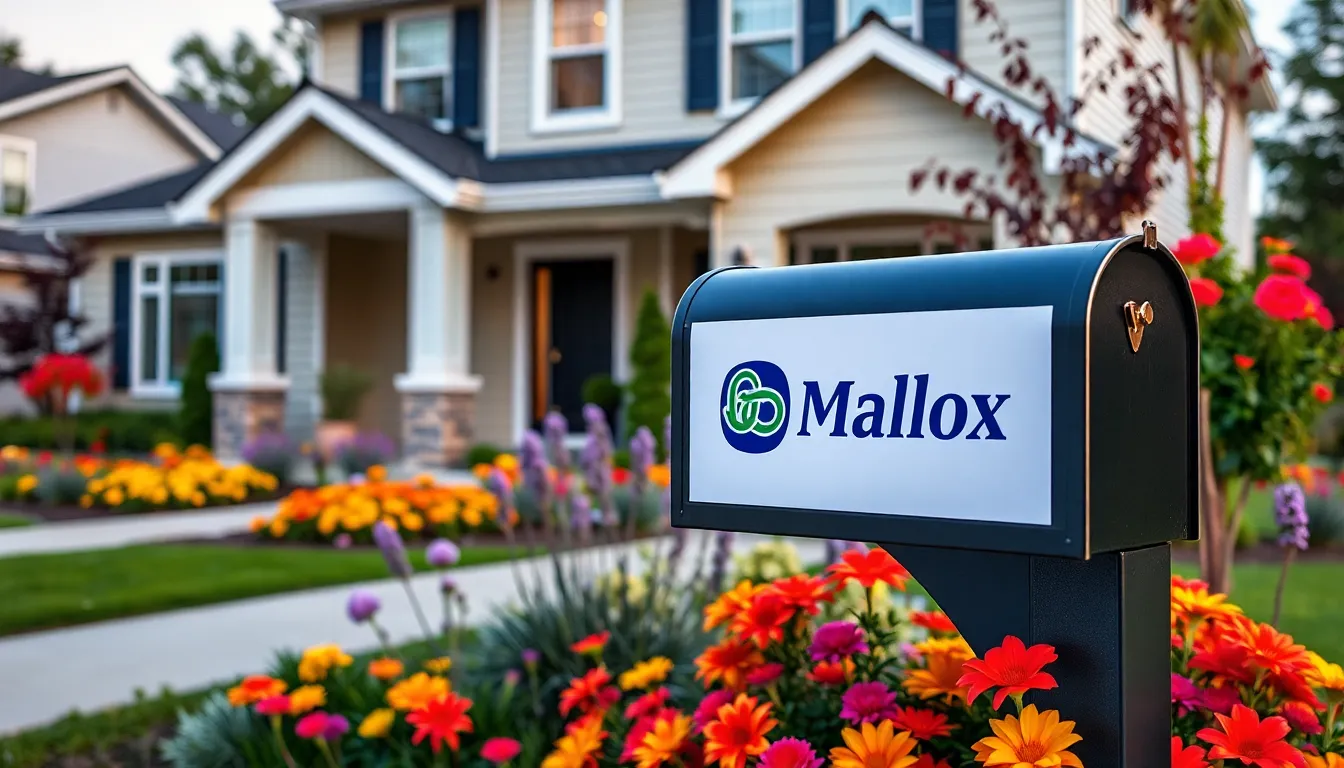
House branding plays a crucial role in defining a property’s identity and attracting potential buyers. A strong brand creates an emotional connection that enhances marketability.
Building a Strong Identity
Building a strong identity requires a cohesive approach that encapsulates the property’s essence. Elements such as logo design, color palette, and typography contribute significantly to this identity. A logo that reflects the property’s character allows for instant recognition. Selecting a color palette that resonates with the target demographic increases visual appeal. Typography should align with the property’s theme, enhancing both aesthetics and readability. Overall, these components work together to create a memorable brand that stands out in the market.
Enhancing Customer Experience
Enhancing customer experience through effective branding affects buyer perception. Engaging marketing collateral, such as brochures and online listings, presents the property in a positive light. High-quality imagery showcases the property’s best features, making it more attractive. Additionally, incorporating storytelling in marketing materials communicates the property’s unique attributes and history. A compelling tagline further reinforces the brand and can evoke emotions, leading to higher interest. By focusing on the customer experience, effective branding attracts buyers and fosters a long-lasting connection.
Creative House Branding Ideas
Innovative house branding ideas can set a property apart in a crowded marketplace. These concepts focus on creating memorable identities that resonate with potential buyers.
Custom Packaging Solutions
Custom packaging solutions include unique presentation formats for marketing materials. These might involve branded brochures, property feature flyers, or welcome kits that showcase the property’s amenities. Using eco-friendly materials or personalized designs enhances appeal and aligns with sustainable practices. Properties can also adopt creative web packaging, such as interactive landing pages that provide a digital overview of the property’s key features.
Consistent Color Schemes
Consistent color schemes enhance visual recognition and foster brand identity. Marketing materials, signage, and online listings should uniformly utilize a defined color palette that reflects the property’s character. Color schemes should resonate with target demographics, conveying emotions and themes related to the property’s style. Additionally, using the same color scheme in both online and physical marketing materials ensures a cohesive brand image across all platforms.
Unique Brand Voice
A unique brand voice establishes a strong identity and promotes connection with potential buyers. This voice should reflect the property’s personality and charm, using language that resonates with the target market. Messaging across social media, advertisements, and property descriptions must maintain consistency in tone and style. Utilizing storytelling elements can further engage buyers, making them more likely to connect emotionally with the property.
Implementing House Branding Ideas
Implementing effective house branding ideas requires an assessment of current branding efforts and strategic planning. Tailored approaches lead to strengthened brand identity and enhanced market impact.
Assessing Your Current Branding
Assessing current branding involves evaluating existing marketing materials, customer feedback, and overall market presence. He or she may consider the following:
- Logo Effectiveness: Analyzing the visual appeal and memorability of the logo.
- Color Consistency: Examining color schemes across all materials for uniformity.
- Message Clarity: Evaluating whether the messaging aligns with the brand story and target audience.
- Image Quality: Reviewing the quality of imagery used to showcase the property.
By identifying strengths and weaknesses in these areas, adjustments can be made to create a more cohesive branding approach.
Strategies for Effective Implementation
Effective strategies enhance branding efforts and contribute to overall success:
- Develop a Comprehensive Brand Guide: Establish guidelines for logo usage, color palettes, typography, and imagery to ensure consistency.
- Engage with Target Audiences: Utilize social media platforms to create discussions, polls, or contests that resonate with potential buyers.
- Leverage High-Quality Visuals: Invest in professional photography and videography to highlight key property features and evoke emotional responses.
- Create Compelling Content: Craft stories that connect to the brand, showcasing unique property features and neighborhood highlights.
- Foster Community Involvement: Participate in local events or sponsor community initiatives to strengthen brand presence and build relationships.
Implementing these strategies effectively builds a strong brand identity that resonates, fosters connections, and enhances property marketability.
Measuring the Impact of House Branding
Measuring the impact of house branding involves analyzing various factors that contribute to a property’s success in the market. Tracking specific metrics offers insights into the effectiveness of branding strategies.
Key Performance Indicators
Key performance indicators (KPIs) serve as essential metrics for evaluating the success of house branding initiatives. Relevant KPIs include:
- Sales Conversion Rate: The percentage of inquiries that lead to successful sales, reflecting the effectiveness of branding in attracting buyers.
- Brand Awareness: The number of potential buyers familiar with the brand, often assessed through surveys and web analytics.
- Website Traffic: The number of visitors to the property’s website, indicating interest generated through branding efforts.
- Social Media Engagement: Metrics such as likes, shares, and comments demonstrate how effectively branding resonates with the target audience.
- Market Share: The property’s proportion of total sales in its market segment, highlighting brand competitiveness.
Tracking these KPIs enables a data-driven approach to refining branding strategies.
Customer Feedback and Engagement
Customer feedback and engagement play a crucial role in assessing the impact of house branding. Important elements include:
- Surveys and Reviews: Collecting buyer opinions through surveys and online reviews provides insight into brand perception and areas for improvement.
- Engagement Metrics: Analyzing interactions on social media platforms reveals how well marketing messages connect with potential buyers.
- Word-of-Mouth Referrals: The frequency of referrals indicates brand strength and customer satisfaction. High rates suggest a positive brand impact.
- Event Participation: Attendance at branded events, such as open houses or community functions, reflects engagement levels and interest in the property.
Utilizing customer feedback and engagement metrics allows for continuous branding improvement, ensuring alignment with market expectations.
House branding is a powerful tool that can transform a property’s market presence. By creating a cohesive and memorable identity, sellers can evoke emotions and forge connections with potential buyers. Unique design elements and innovative marketing strategies not only enhance a property’s appeal but also differentiate it in a crowded marketplace.
Implementing creative branding ideas can make a significant impact. From engaging social media campaigns to thematic open houses, each strategy contributes to building a strong brand identity. As the real estate landscape continues to evolve, embracing these branding concepts is essential for success. A well-executed house branding approach will ultimately lead to increased visibility and stronger buyer engagement, paving the way for successful transactions.